
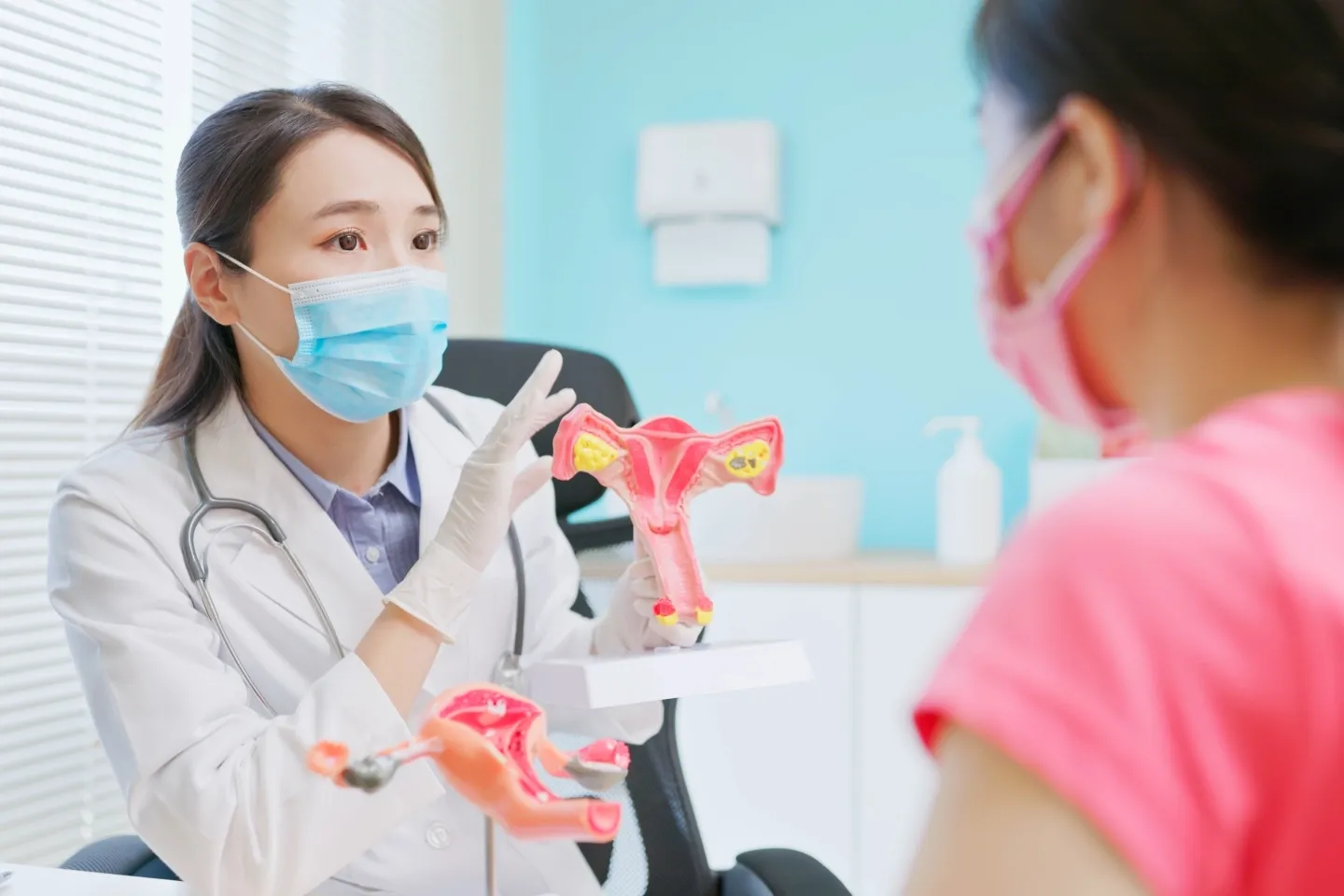
Blocked fallopian tubes are one of the important and common causes of female infertility. These tubes act as a pathway between the ovaries and the uterus, allowing the egg and sperm to meet for fertilization. When one or both tubes are blocked, natural conception becomes difficult.
Dr. Amrutha Pentakota explains that understanding the cause, location, and severity of tubal blockage is essential for choosing the right treatment and improving pregnancy outcomes.
What Are Blocked Fallopian Tubes?
Blocked fallopian tubes refer to a condition where the passage inside one or both tubes is partially or completely obstructed. This prevents the egg from reaching the uterus and also stops sperm from reaching the egg.
Blockage may occur:
- Near the uterus (proximal)
- In the middle part of the tube
- Near the ovary (distal)
The impact on fertility depends on the location and extent of the blockage.
Causes Of Blocked Fallopian Tubes
Several conditions can lead to tubal damage or blockage:
Pelvic Inflammatory Disease (PID)
Infections in the reproductive tract can cause inflammation and scarring of the tubes.
Previous Infections
Untreated sexually transmitted or pelvic infections may permanently damage tubal function.
Endometriosis
Endometrial tissue outside the uterus can cause adhesions and distort the fallopian tubes.
Previous Surgeries
Abdominal or pelvic surgeries may lead to scar tissue formation.
Ectopic Pregnancy History
A previous ectopic pregnancy can damage or block the affected tube.
Congenital Abnormalities
Some women may be born with structural abnormalities in the fallopian tubes.
Symptoms Of Blocked Fallopian Tubes
In most cases, blocked tubes do not cause obvious symptoms. Many women only discover the condition during infertility evaluation.
Possible signs include:
- Difficulty conceiving
- History of pelvic infections
- Occasional pelvic pain
- Irregular menstrual patterns in some cases
Because symptoms are often absent, infertility is usually the first indication.
How Are Blocked Fallopian Tubes Diagnosed?
Accurate diagnosis is essential before planning treatment.
Hysterosalpingography (HSG)
Hysterosalpingography (HSG) is the most commonly used test. A contrast dye is introduced into the uterus, and X-ray images show whether the tubes are open or blocked.
Ultrasound Evaluation
Ultrasound may help detect associated conditions like fluid-filled tubes or pelvic abnormalities.
Diagnostic Laparoscopy
Diagnostic Laparoscopy allows direct visualization of the uterus, tubes, and surrounding structures and is considered highly accurate.
Types Of Tubal Blockage
- Proximal blockage: Near the uterus
- Mid tubal blockage: Middle segment of the tube
- Distal blockage: Near the ovary, often associated with fluid buildup (hydrosalpinx)
Treatment Options For Blocked Fallopian Tubes
Treatment depends on the severity of damage, location of blockage, and patient’s fertility goals.
Medical Management
If infection or inflammation is present, antibiotics and anti-inflammatory medications may help. However, long-standing blockages usually do not resolve with medicines alone.
Laparoscopic Surgery
Laparoscopic Tubal Surgery may be recommended in selected cases to:
Remove adhesions
Open blocked tubes
Repair damaged segments
Procedures include adhesiolysis, fimbrioplasty, or salpingostomy depending on the condition.
Tubal Cannulation
This minimally invasive procedure is used mainly for proximal blockages to reopen the tube.
Assisted Reproductive Techniques (ART)
When tubes are severely damaged or surgery is unlikely to succeed, assisted reproductive treatment is recommended.
In Vitro Fertilization (IVF)
In Vitro Fertilization (IVF) bypasses the fallopian tubes completely by fertilizing the egg in a laboratory and transferring the embryo into the uterus.
IVF is often the most effective option in severe tubal disease.
Can Blocked Tubes Be Reversed?
Mild or early blockages may sometimes be corrected with surgery. However, severe damage or long-standing infections often lead to irreversible changes.
Can Pregnancy Happen With One Blocked Tube?
Yes. If at least one fallopian tube is healthy, natural conception is still possible, although it may take longer.
Prevention Of Tubal Blockage
While not all cases can be prevented, risk can be reduced by:
- Early treatment of infections
- Practicing safe sexual health habits
- Regular gynecological checkups
- Avoiding untreated pelvic infections
When Should You See A Doctor?
Consult a specialist if:
- You have been trying to conceive for more than 12 months
- You have a history of pelvic infection
- You had a previous ectopic pregnancy
- You suspect fertility issues
Conclusion
Blocked fallopian tubes are a significant but treatable cause of infertility. With proper diagnosis using HSG or laparoscopy, the exact cause and severity can be identified. Treatment options range from laparoscopic surgery to advanced fertility treatments like IVF.
Dr. Amrutha Pentakota emphasizes that early evaluation and timely treatment can significantly improve the chances of conception and help couples achieve their parenthood goals.
FAQs
Q: What Are The Symptoms Of Blocked Fallopian Tubes?
A: There are usually no specific symptoms, and infertility is often the main sign.
Q: Can Blocked Fallopian Tubes Be Treated?
A: Yes, depending on severity. Treatment may include surgery or IVF.
Q: Can I Get Pregnant Naturally With One Blocked Tube?
A: Yes, if the other tube is healthy and functional.
Q: Which Test Is Best For Detecting Tubal Blockage?
A: HSG is commonly used, while laparoscopy is the most accurate.
Q: Is IVF Always Required For Blocked Tubes?
A: Not always. Mild cases may be treated surgically.
If you are experiencing difficulty conceiving or suspect a tubal issue, consult Dr. Amrutha Pentakota for detailed fertility evaluation, accurate diagnosis, and personalized treatment options tailored to your needs.

Get in Touch

Get Directions: Motherhood Hospital Whitefield


Office Hours
Mon–Sat: 9 am - 1 pm and 4 pm - 7 pm
Sunday: Closed