
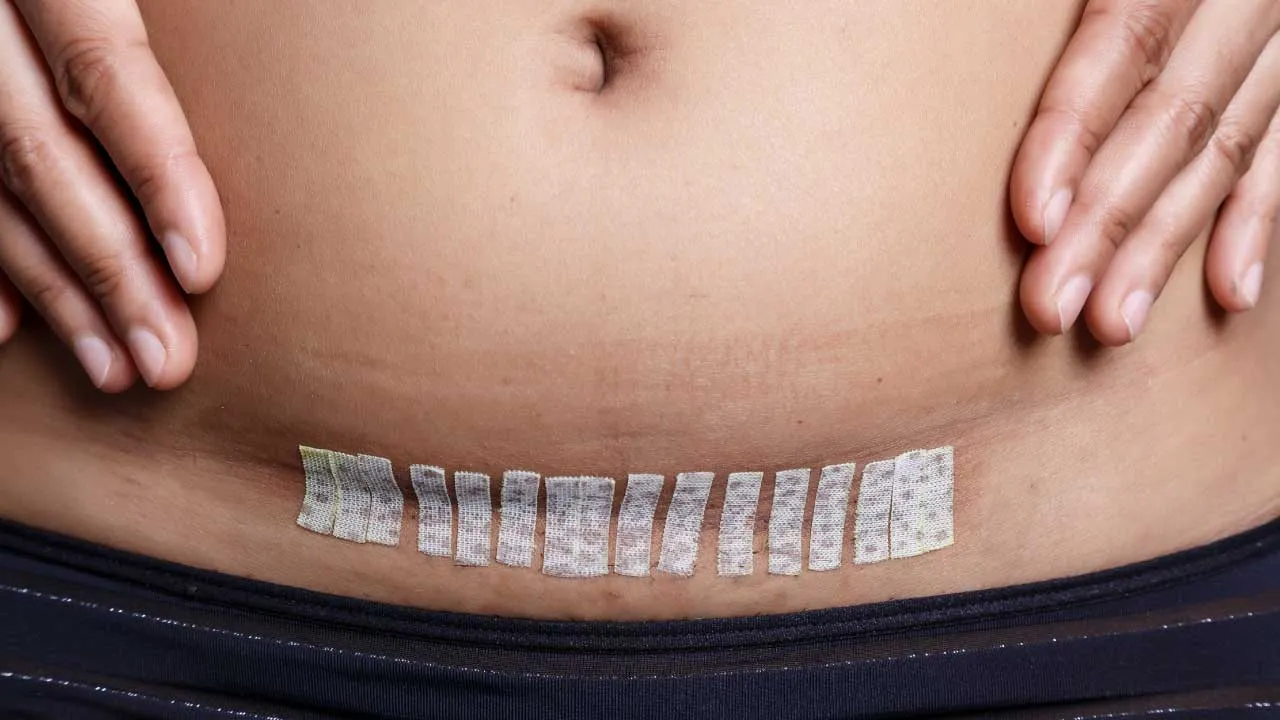
A hysterectomy is one of the most commonly performed gynecological surgeries. It involves the removal of the uterus and may be recommended for conditions such as fibroids, abnormal uterine bleeding, adenomyosis, endometriosis, pelvic organ prolapse, or certain gynecological cancers.
For many women, the decision to undergo a hysterectomy comes after months or years of troublesome symptoms. While the surgery can provide significant relief and improve quality of life, it is natural to wonder how life will change afterward.
According to Dr. Amrutha Pentakota, understanding the recovery process and the potential physical and emotional changes after a hysterectomy can help women approach the procedure with greater confidence and realistic expectations.
What Is A Hysterectomy?
A hysterectomy is the surgical removal of the uterus.
Depending on the reason for surgery, different procedures may be performed:
Total Hysterectomy
Removal of the uterus and cervix.
Partial Hysterectomy
Removal of the uterus while preserving the cervix.
Radical Hysterectomy
A more extensive procedure often performed for certain cancers.
Hysterectomy With Ovary Removal
In some cases, one or both ovaries may also be removed during surgery.
The long-term effects often depend on whether the ovaries are preserved.
What Happens Immediately After Surgery?
Recovery varies depending on the type of hysterectomy performed and the surgical approach used.
Women may experience:
- Mild to moderate pain
- Fatigue
- Abdominal discomfort
- Temporary bloating
- Light vaginal spotting
Most symptoms gradually improve over the following weeks.
No More Menstrual Periods
One of the most noticeable changes after a hysterectomy is the permanent absence of menstrual periods.
Since the uterus has been removed:
- Monthly bleeding stops completely
- Menstrual cramps no longer occur
- Conditions causing heavy bleeding are often resolved
Many women consider this one of the most significant benefits of the procedure.
Pregnancy Is No Longer Possible
Because the uterus is removed, pregnancy cannot occur after a hysterectomy.
Women who wish to have children in the future should discuss fertility-preserving options with their gynecologist before surgery whenever possible.
Will Hormones Change After A Hysterectomy?
The answer depends largely on whether the ovaries are removed.
If The Ovaries Are Preserved
The ovaries continue producing hormones, and many women do not experience immediate menopause.
If The Ovaries Are Removed
Menopause occurs immediately if both ovaries are removed.
Symptoms may include:
- Hot flashes
- Night sweats
- Mood changes
- Vaginal dryness
- Sleep disturbances
Hormone management options may be discussed when appropriate.
Changes In Sexual Health
Many women worry about how hysterectomy may affect intimacy.
In reality, many patients report improved sexual well-being after recovery because symptoms such as pain, heavy bleeding, or pelvic pressure are no longer present.
Some women may experience:
- Temporary discomfort during recovery
- Vaginal dryness if menopause occurs
- Emotional adjustments
Most patients can resume sexual activity once healing is complete and their doctor provides clearance.
Emotional Changes After Hysterectomy
A hysterectomy can bring a range of emotions.
Some women feel:
- Relief from chronic symptoms
- Improved quality of life
- Greater confidence
Others may experience:
- Temporary sadness
- Anxiety about body changes
- Concerns about fertility loss
These feelings are normal and often improve with time, support, and education.
Energy Levels During Recovery
Fatigue is common after surgery.
Recovery of energy levels may take several weeks depending on:
- Surgical approach
- Overall health
- Age
- Presence of other medical conditions
Gradual increases in activity help support healing.
Physical Activity After Hysterectomy
Walking is usually encouraged soon after surgery to reduce the risk of complications and promote recovery.
However, patients are generally advised to avoid:
- Heavy lifting
- Intense exercise
- Strenuous physical activity
The timeline for returning to normal activities varies for each individual.
Long-Term Health Considerations
Most women enjoy a significant improvement in quality of life after hysterectomy.
Long-term considerations may include:
Bone Health
Women who undergo early menopause due to ovary removal may require monitoring for bone health.
Heart Health
Hormonal changes can influence cardiovascular health over time.
Routine Healthcare
Even after hysterectomy, regular gynecological care remains important.
When Should You Contact Your Doctor?
Seek medical attention if you experience:
- Heavy vaginal bleeding
- Fever
- Severe pain
- Increasing abdominal swelling
- Signs of infection
- Difficulty urinating
Prompt evaluation helps ensure a safe recovery.
Benefits Many Women Experience
Following recovery, many women report:
- Relief from heavy bleeding
- Resolution of chronic pelvic pain
- Improved daily functioning
- Better sleep
- Increased confidence
- Enhanced quality of life
The extent of improvement depends on the underlying condition being treated.
Tips For A Smooth Recovery
To support healing:
- Follow postoperative instructions carefully
- Stay hydrated
- Eat a balanced diet
- Walk regularly as advised
- Avoid smoking
- Attend follow-up appointments
Patience is important, as recovery takes time.
Conclusion
Life after a hysterectomy can involve several physical and emotional changes, but for many women, the procedure brings lasting relief from symptoms that significantly affected their quality of life. Recovery is a gradual process, and the long-term effects often depend on whether the ovaries are preserved.
Dr. Amrutha Pentakota emphasizes that understanding what to expect before and after surgery can help women feel more prepared and confident throughout their recovery journey. With proper care and follow-up, most women return to active, healthy, and fulfilling lives after hysterectomy.
FAQs
Q: Will I Still Have Periods After A Hysterectomy?
A: No. Once the uterus is removed, menstrual periods stop permanently.
Q: Can I Become Pregnant After A Hysterectomy?
A: No. Pregnancy is not possible after removal of the uterus.
Q: Does Every Hysterectomy Cause Menopause?
A: No. Menopause occurs immediately only if both ovaries are removed. If the ovaries remain, hormone production usually continues.
Q: How Long Does Recovery Take?
A: Recovery varies depending on the type of surgery, but many women gradually return to normal activities over several weeks.
Q: Will My Quality Of Life Improve After Hysterectomy?
A: Many women experience significant improvement in symptoms such as heavy bleeding, pelvic pain, and pressure after recovery.
Considering a hysterectomy or preparing for recovery after surgery? Consult Dr. Amrutha Pentakota for expert guidance, personalized treatment planning, and compassionate women's healthcare at every stage of your journey.

Get in Touch

Get Directions: Motherhood Hospital Whitefield


Office Hours
Mon–Sat: 9 am - 1 pm and 4 pm - 7 pm
Sunday: Closed