
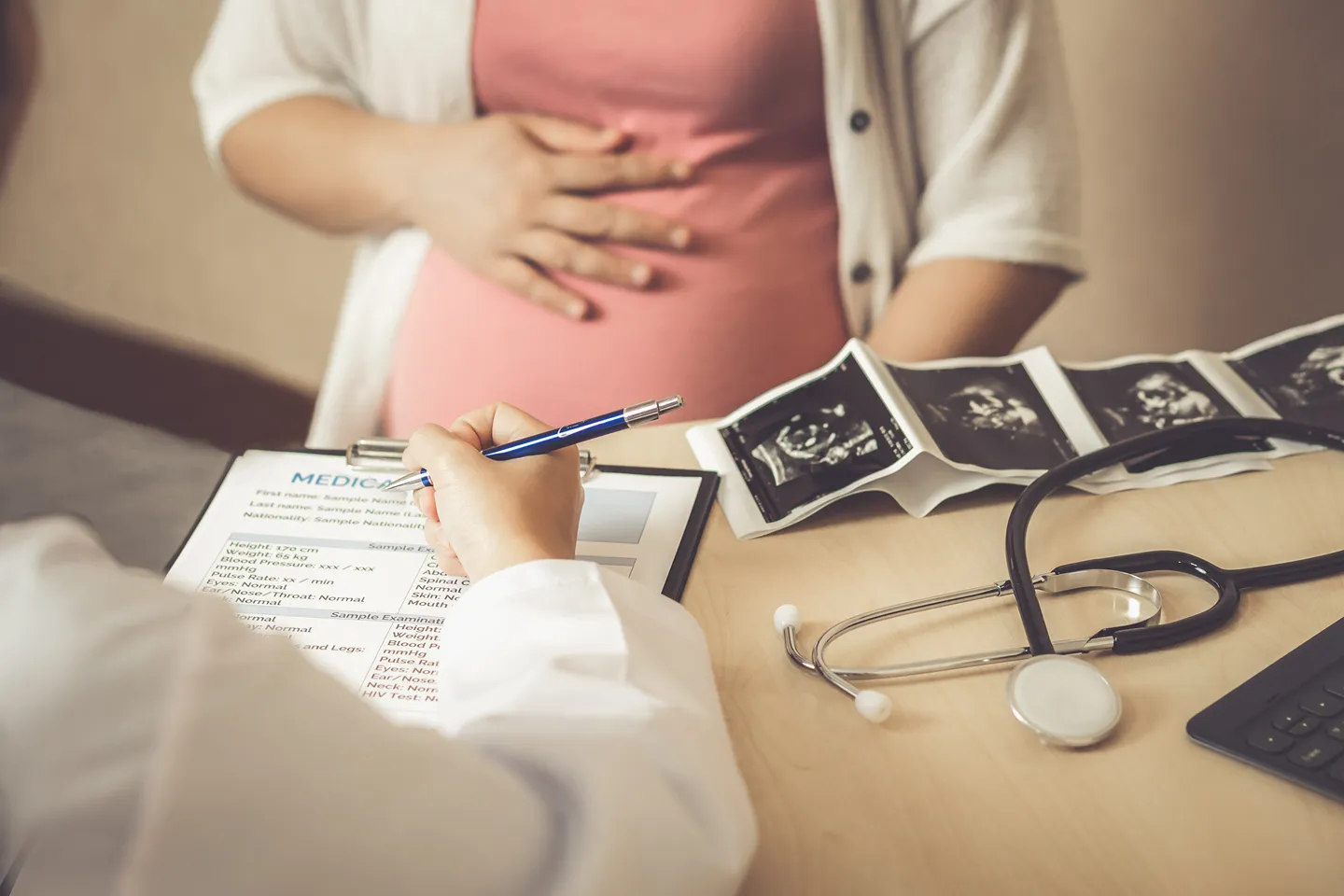
While many pregnancies progress without complications, some require closer monitoring and advanced care due to pre-existing health conditions, complications arising during pregnancy, or specific fetal concerns. These are classified as high-risk pregnancies.
At the forefront of women’s health, Dr. Amrutha Pentakota provides comprehensive, individualized care for high-risk pregnancies. With extensive clinical experience and a commitment to maternal-fetal well-being, she supports each patient with compassionate, evidence-based care from early diagnosis through delivery.
What Is a High-Risk Pregnancy?
A high-risk pregnancy is one where the health or life of the mother or fetus may be at increased risk due to medical, obstetric, or lifestyle factors. Identifying and managing these risks early allows for better outcomes and safer deliveries.
Conditions That May Lead to High-Risk Pregnancy
1. Pre-Existing Maternal Health Conditions
- Hypertension or preeclampsia
- Type 1 or type 2 diabetes
- Thyroid disorders
- Heart, kidney, or autoimmune diseases
- Epilepsy
- Obesity or malnutrition
2. Pregnancy-Related Complications
- Gestational diabetes
- Pregnancy-induced hypertension
- Preterm labor or premature rupture of membranes (PROM)
- Intrauterine growth restriction (IUGR)
- Placenta previa, placental abruption, or accreta
- Polyhydramnios or oligohydramnios (abnormal amniotic fluid levels)
3. Maternal Age and Reproductive History
- Age below 18 or above 35
- Previous cesarean delivery
- History of miscarriage, stillbirth, or preterm birth
- Multiple gestation (twins, triplets)
4. Fetal Concerns
- Fetal anomalies detected on ultrasound
- Genetic or chromosomal conditions
- Abnormal growth patterns
- Abnormal fetal heart rate or movement
Our Approach to High-Risk Pregnancy Management
With Dr. Amrutha Pentakota, every high-risk pregnancy is managed with precision, vigilance, and personalized care plans that address both maternal and fetal needs.
1. Detailed Risk Assessment
- Comprehensive review of medical, surgical, and obstetric history
- Early identification of high-risk indicators
- Baseline laboratory investigations and imaging
2. Frequent Monitoring and Surveillance
- Increased prenatal visit frequency
- Regular blood pressure and weight checks
- Blood sugar and thyroid monitoring
- Detailed growth scans and Doppler ultrasounds
- Fetal non-stress tests (NST) and biophysical profiles (BPP)
- Cervical length assessments to evaluate preterm birth risk
3. Collaborative and Multidisciplinary Care
- Coordination with specialists: endocrinologists, cardiologists, neonatologists, dietitians, and genetic counselors
- Hospital-based monitoring when necessary
- Pre-delivery planning with anesthesiologists and neonatal teams for high-risk deliveries
4. Medical and Lifestyle Management
- Optimized control of chronic conditions such as diabetes and hypertension
- Customized nutritional planning to support fetal growth and maternal health
- Medication adjustments to ensure safety during pregnancy
- Physical activity recommendations and modified work schedules, if needed
5. Mental Health and Emotional Support
- Screening for anxiety, depression, and stress
- Counseling for parents managing uncertainty or fear
- Supportive guidance throughout critical decisions in pregnancy
Delivery Planning for High-Risk Pregnancies
Dr. Pentakota ensures all delivery-related decisions are made with your health and preferences in mind, while minimizing risks:
- Planned induction or cesarean delivery if medically indicated
- Preterm delivery preparation, including corticosteroids for fetal lung development
- Continuous fetal monitoring during labor
- Postpartum follow-up for mother and baby, especially in cases of gestational diabetes or hypertension
Common Questions about High-Risk Pregnancy
A: Yes. Many high-risk pregnancies are closely monitored and successfully managed, leading to safe vaginal deliveries when appropriate.
A: This depends on the specific condition but often includes visits every 1–2 weeks, along with more frequent ultrasounds and lab tests.
A: With close monitoring and early intervention, most babies in high-risk pregnancies develop well. Growth scans and fetal monitoring help ensure timely responses if concerns arise.
A: Yes. Pre-pregnancy counseling and optimization of chronic conditions significantly reduce risks. Dr. Pentakota offers preconception consultations for women planning pregnancies with known medical conditions.
Why Choose Dr. Amrutha Pentakota?
- Extensive experience in managing high-risk and complex pregnancies
- Calm, communicative approach that values patient involvement
- State-of-the-art diagnostic tools and hospital affiliations
- Collaboration with multidisciplinary specialists to ensure comprehensive care
- Strong focus on maternal education, empowerment, and reassurance
Whether you're managing a medical condition, expecting multiples, or facing complications, you’ll be supported by a skilled and compassionate professional every step of the way.
Book Your High-Risk Pregnancy Consultation
Early and proactive management is key to a successful high-risk pregnancy. If you have a medical condition or concern, don’t wait.
Schedule a consultation with Dr. Amrutha Pentakota today for a thorough evaluation and personalized care plan.

Get in Touch

Get Directions: Motherhood Hospital Whitefield


Office Hours
Mon–Sat: 9 am - 1 pm and 4 pm - 7 pm
Sunday: Closed